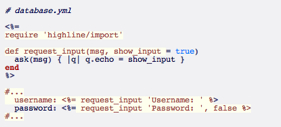
Haml 1.5 Released


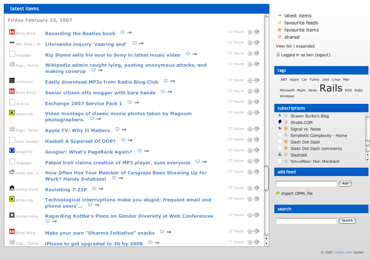

Evan Weaver had a basic problem to solve:

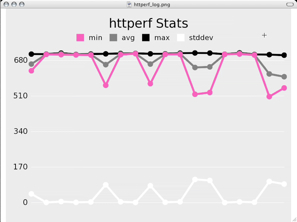
Benchmarking with httperf is a new screencast by Geoffrey Grosenbach in his Peepcode series of Ruby / Rails related videos. It costs $9, but for that you get a bundle of source code and a very high quality video of 53 minutes' length.
SQLDSL, by Jay Fields, is, simply, "a library for creating SQL statements using Ruby code." Jay posted separately about the pros and cons of SQLDSL on his weblog, although he might be accused of bias with only one con to six pros (compelling as they may be).
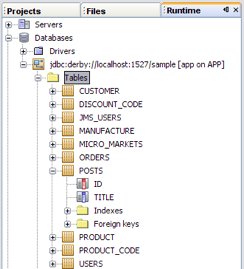
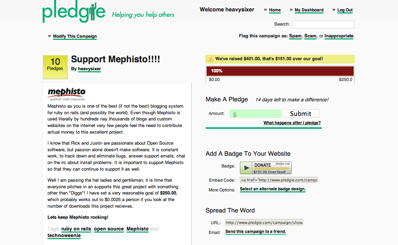
Pledgie is a new Rails-powered Web site that allows anyone to raise funds online for meaningful causes. There is no charge for the service. Instead, Pledgie's goal is to create an online version of the personal, one-on-one interactions that traditionally are at the heart of successful grassroots volunteerism. Pledgie has recently been successful in helping Rick Olson and Justin Palmer raise some money to support their Mephisto blogging system.

Mike Clark has put together a stunningly simple tutorial covering how to create a complete file uploading and image resizing system in mere minutes using Rick Olson's attachment_fu plugin. What impresses me the most is that he shows how attachment_fu can automatically store uploaded files on Amazon's S3 service with only a few tweaks. This is a must read for Rails developers who haven't brushed up on their file upload techniques lately.
Coda Hale has announced the release of his new 'bcrypt-ruby' gem. bcrypt-ruby brings simple OpenSSL powered password hashing to Ruby along with some useful features like hash versioning, automatic salt handling, and the ability to produce hashes that are computationally difficult to compute to reduce the risks of attacks.



Matt Neuburg has put together a great article full of examples of using Ruby and AppScript in place of AppleScript to script operations under OS X. I hadn't bothered to try these Ruby->OS X bridges yet, but I followed Matt's simple examples with amazement. It's so simple! Within two pages Matt moves on to using Ruby to instruct Microsoft Excel to produce a graph based on data provided from Ruby and it'll only take you up to ten minutes to read the whole thing and get that far. Excellent piece.
Skype and Google Talk are pretty clever in the way that they still work even if all of its users are behind firewalls (or NAT systems) that block incoming connections. The way they enable two-way connections is by using a 'firewall busting' technique. Simply, a central server does nothing but share IP addresses (and port numbers) and clients can then 'punch' holes through their firewalls and trick their firewalls and routers to route incoming packets back to them if they have certain source host and port numbers.
A lot of people seem to want to reinvent the wheel where Ruby is concerned, and I wish them all luck, but Tomasz Węgrzanowski has taken the unique step of trying to make the existing C-based Ruby interpreter faster instead, with intriguing results.. He even goes as far as to hack Ruby's source code to remove inefficiencies in how Fixnum objects are compared. I totally dig this and would love to support further efforts to implement non-damaging optimizations to the existing interpreter.


(photo credit: mrpattersonsir)

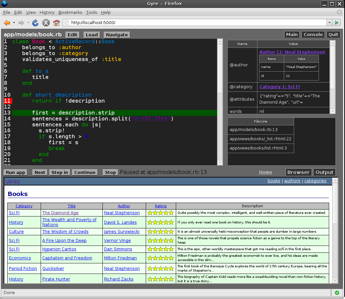

GeoKit is a new Rails plugin developed by Bill Eisenhauer and Andre Lewis that provides several powerful geocoding related features:



Mark A. McBride has put together a great article about processing credit cards with Ruby on Rails using the Active Merchant plugin.